
Welcome to the comforting world of Korean pumpkin soup, or Hobak-juk! This delightful dish offers a subtly sweet and incredibly soothing experience. In Korea, it’s a popular light meal or a nourishing snack, cherished for its gentle flavor and creamy texture. Our easy Korean pumpkin soup recipe brings this beloved comfort food right into your kitchen, making it simple for anyone to prepare and enjoy.
Table of Contents
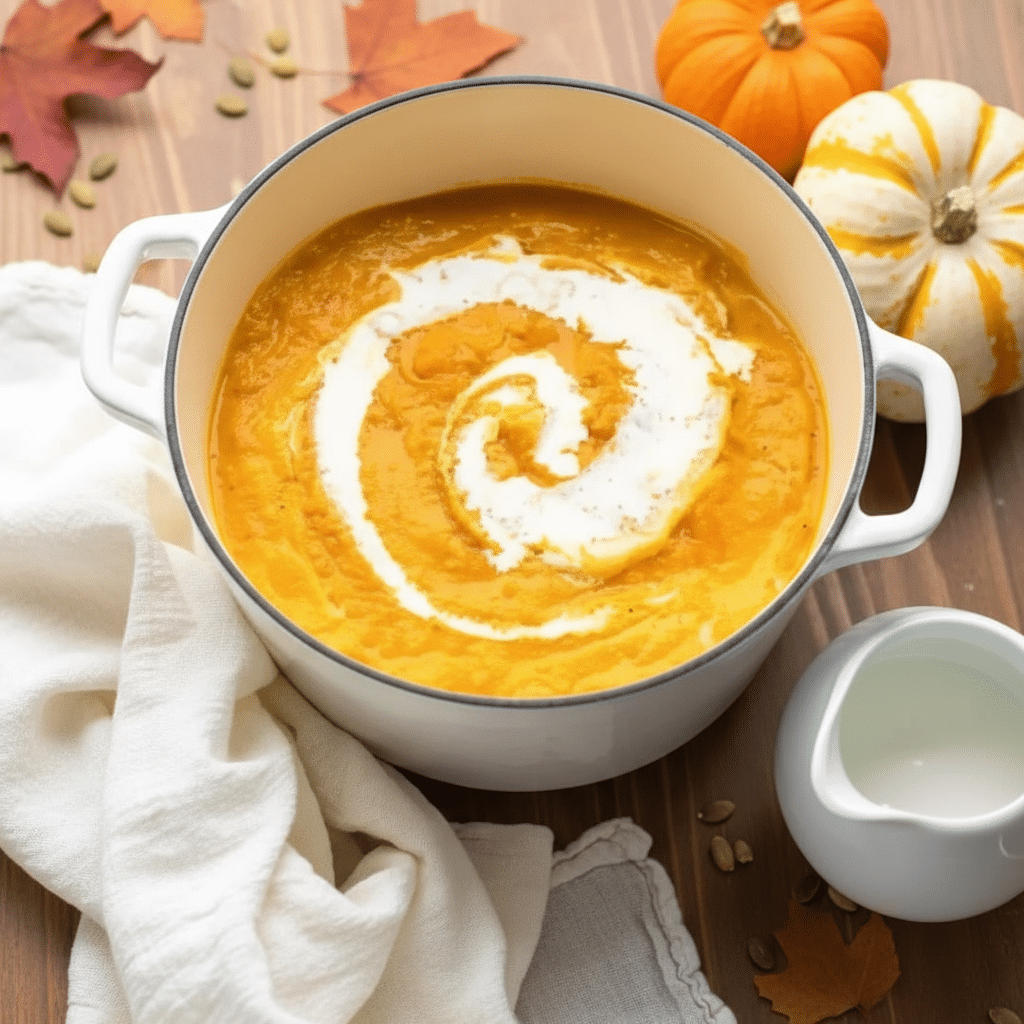
Easy Korean Pumpkin Soup (Hobak-juk)
Ingredients
Equipment
Method
- Microwave the pumpkin upside down in a microwaveable bowl for 5 minutes.
- Let the pumpkin cool, then carefully cut it in half and scrape out the seeds.
- Quarter the pumpkin, peel off the skin, and chop the flesh into smaller chunks.
- Combine the pumpkin chunks with 2 cups of water in a mixer and blend until smooth.
- Pour the blended soup into a large pot and bring it to a boil over medium heat.
- While the soup heats, prepare a thickener by mixing the glutinous rice powder with ⅓ cup of water.
- Once the soup boils, stir in the thickener, then season the soup with sugar and salt.
- Reduce heat to low and simmer for 1 more minute, stirring continuously to prevent burning.
- Turn off the heat, allow the soup to cool for 5 minutes, then serve and enjoy.
Notes
Why You’ll Love This Korean Pumpkin Soup
This Korean pumpkin soup recipe is a true winner for many reasons:
- Naturally Sweet & Comforting: Enjoy its gentle, wholesome sweetness derived from the pumpkin itself, characteristic of authentic Korean pumpkin soup. It’s a hug in a bowl!
- Surprisingly Simple: With clear, step-by-step instructions, even beginners can master this dish effortlessly. You’ll be amazed how easy it is.
- Healthy & Wholesome: Packed with nutrients, this soup is naturally vegan and vegetarian-friendly. It’s a guilt-free pleasure.
- Versatile Delight: Serve it as a warm breakfast porridge, a light lunch, or a comforting dessert. It truly fits any occasion.
- Quick Preparation: Spend less time in the kitchen and more time savoring this delicious meal.
Ingredients
For the Soup:
- 1 whole Kabocha pumpkin (about 3-4 pounds)
- 2 cups water (for blending)
For the Thickener:
- 2 tablespoons glutinous rice powder
- ⅓ cup water (for slurry)
For Seasoning:
- 2 tablespoons sugar (adjust to taste)
- 1 teaspoon salt (adjust to taste)
Notes & Substitutions
Kabocha Pumpkin:
Also known as Korean pumpkin, Kabocha offers a dense, sweet flesh similar to sweet potato. It’s the traditional choice for an authentic Korean pumpkin soup. For the best taste and texture in your Korean pumpkin soup, aim for a ripe Kabocha.
For those interested in the unique characteristics of Kabocha, this Japanese pumpkin is renowned for its velvety texture and signature sweet flavor, often described as a cross between a sweet potato and a pumpkin. For more details, explore the culinary uses of Kabocha squash.
Alternatives:
If Kabocha isn’t available, butternut squash makes a good substitute. It’s slightly less dense and sweet, so adjust sugar accordingly.
Glutinous Rice Powder:
This creates the signature velvety texture. Cornstarch can work as a substitute (use 1 tablespoon mixed with 2 tablespoons cold water), but the texture will differ.
Seasoning:
Always taste and adjust the sugar and salt to your preference.
Equipment
- Large pot: For simmering your delicious soup.
- Sharp knife & Cutting board: Essential for safely preparing the pumpkin.
- Large spoon: For deseeding and stirring.
- Blender or immersion blender: For achieving that perfect creamy texture (highly recommended for smoothness).
- Microwave-safe bowl: To soften the pumpkin initially.
- Small mixing bowl & Whisk: For preparing the thickener slurry easily.
Instructions
Preparing the Kabocha Pumpkin
- Place the whole Kabocha pumpkin upside down in a microwave-safe bowl. Microwave it for 5 minutes. This softens the skin, making it much easier to cut.
- Carefully remove the pumpkin; it will be hot. Let it cool for a few minutes until it’s safe to handle. Cut the softened pumpkin in half.
- Use a large spoon to scrape out all the seeds and stringy bits from both halves. Cut each half into two, creating four pieces.
- Next, use your knife to carefully cut off all the skin from each piece. Chop the skinned pumpkin flesh into smaller, manageable chunks for blending.
Blending the Soup Base
- Transfer the chopped pumpkin chunks into your blender. Pour in 2 cups of water.
- Blend on a medium speed until the mixture becomes wonderfully smooth and creamy. For a chunkier Korean pumpkin soup, blend for a shorter time, leaving some small pieces. For a truly silky texture, blend longer.
Cooking & Thickening the Soup
- Pour the blended pumpkin puree into a large pot. Place the pot on medium heat and bring the soup to a gentle boil, stirring occasionally to prevent sticking.
- While the soup heats, prepare your thickener. In a small bowl, whisk together the glutinous rice powder and ⅓ cup of water until smooth.
- Once the soup is boiling, slowly pour in the glutinous rice powder slurry. Stir constantly for about 1 minute to ensure it incorporates evenly and thickens the soup as desired.
- Now, season your Korean pumpkin soup with sugar and salt. Taste and adjust to your preference. Remember that some pumpkins are naturally sweeter.
- Reduce the heat to low and let the soup simmer for just 1 more minute, stirring continuously. This step helps cook the thickener properly.
- Turn off the heat and let the soup cool down for 5 minutes before serving. This brief rest enhances flavor. Enjoy your homemade Korean pumpkin soup!
Pro Tips for the Best Korean Pumpkin Soup
- Taste and Adjust: Always taste your soup before serving and adjust sugar and salt as needed.
- Stir Constantly: Once the thickener is added, stir the soup frequently to prevent it from sticking to the bottom.
- Cool Slightly: Allowing the soup to cool for a few minutes enhances its flavor and texture.
- Ripe Pumpkin: Use a very ripe Kabocha pumpkin for the best natural sweetness and flavor.
Common Mistakes to Avoid
- Not Pre-Softening: Attempting to cut a raw Kabocha can be very difficult and dangerous.
- Under-Seasoning: Don’t forget to add sugar and salt; they balance the pumpkin’s flavor.
- Leaving the Soup Unattended: The soup can easily burn on the bottom while simmering.
- Over-Thickening: Add the slurry gradually and stop when it reaches your desired consistency.
Serving, Storage, and Variations
Serving Suggestions
- Enjoy this Korean pumpkin soup warm or at room temperature.
- It makes a fantastic light breakfast with toast, a comforting side, or a healthy dessert.
- Garnish with toasted sesame seeds, chopped nuts, or a swirl of coconut cream for an elegant finish.
Storage & Reheating Tips
- Refrigerate: Store leftovers in an airtight container in the refrigerator for 3-4 days.
- Freeze: Freeze cooled soup in freezer-safe containers for up to 2 months.
- Reheat: Warm gently on the stovetop over low heat, adding water if needed to regain texture.
Variations
- Porridge Style: Stir in pre-cooked short-grain rice during the last minutes of simmering for a heartier Hobak-juk.
- Savory Twist: For a savory version, reduce sugar and add a pinch of white pepper or sesame oil.
Nutrition Information
This delicious Korean pumpkin soup is not only comforting but also packed with nutrients from the pumpkin.
Beyond its comforting taste, pumpkin offers numerous health benefits, being a rich source of vitamins, minerals, and antioxidants that support immune health, vision, and skin. Learn more about the impressive health benefits of pumpkin.
It offers a great source of vitamins and fiber, making it a wholesome choice for any meal. Please note that these values are estimates and can vary based on specific ingredients and serving sizes used.
| Nutrients (per serving) | Estimated Value |
|---|---|
| Calories | 180 kcal |
| Carbohydrates | 35 g |
| Protein | 3 g |
| Fat | 1.5 g |
| Fiber | 4 g |
Frequently Asked Questions (FAQ)
- What kind of pumpkin is traditionally used in Korean pumpkin soup?
- Traditionally, Kabocha squash, often called Korean pumpkin, is used. Its dense, sweet flesh gives the soup its signature flavor.
- Is this soup typically sweet or savory?
- Hobak-juk is usually on the sweeter side, often enjoyed as a light dessert or snack. However, you can easily adjust the sugar for a more savory profile.
- Can I make this Korean pumpkin soup vegan or gluten-free?
- Yes, this recipe is naturally vegan and gluten-free as long as you use plant-based ingredients and ensure your glutinous rice powder is certified gluten-free.
- How do I thicken Korean pumpkin soup if it’s too watery?
- You can mix a little extra glutinous rice powder with cold water to make another slurry, then stir it into the simmering soup until it reaches your desired consistency.
- Can I use canned pumpkin puree for this recipe?
- While fresh Kabocha is best for authentic flavor, you can use plain canned pumpkin puree in a pinch. The taste and texture will differ slightly.
For more Recipes follow me in facebook and Pinterest
Conclusion
You now have all the tools to create a heartwarming bowl of Korean pumpkin soup right in your own kitchen. This simple recipe delivers incredible comfort and wholesome goodness with minimal effort. Whether you’re looking for a light breakfast, a soothing snack, or a unique dessert, this Hobak-juk is a perfect choice. Embrace the naturally sweet flavors and creamy texture of this delightful Korean classic. It’s a truly rewarding dish to prepare.
Culinary disclaimer
This content is provided for informational purposes only. It does not replace medical advice, professional diagnosis, or personalized treatment.